How R&D Tax Relief is Powering Progress Across the UK Print Sector
Specialist in R&D funding, Kene, gives its advice on R&D tax credits in the print industry in order to help businesses to reduce costs, improve products, and become more sustainable
Guest Writer
September 17, 2025
In a world of rising costs, tight margins, and constant client demands, print businesses are quietly reinventing themselves. While the headlines may focus on AI or biotech, innovation is happening every day on factory floors, in pre-press studios, and across fulfilment lines. What many print businesses don’t realise is that this progress could be eligible for valuable R&D tax relief.
With the UK government reaffirming its £86bn commitment to research and development through 2030 in its latest spending review, R&D tax relief remains one of the most generous and accessible incentives available to UK companies. But there are changes afoot – and understanding what qualifies, how to stay compliant, and how others in the sector are benefiting, has never been more important.
Real Innovation in Print: What Qualifies?
R&D in print doesn’t mean white coats and lab experiments. It means problem-solving, trialling new substrates, automating production lines, developing sustainable packaging formats, or integrating digital workflows. It’s about tackling technical uncertainty to improve products or processes in a way that involves some level of experimentation.
Here are some common examples of qualifying activity:
Adapting machinery to work with novel or recycled materials
Developing or improving pre-press automation
Testing new finishes or ink systems for durability or colour consistency
Creating bespoke software to streamline customer workflows
As one of our clients Signbox shared: “The tax relief we accessed gave us room to push boundaries with our materials and formats. It enabled us to take risks we might have otherwise avoided.”
These are the kinds of behind-the-scenes innovations that HMRC wants to support through the scheme.
Why 2025 is a Turning Point
While the scheme remains generous, the rules have become more stringent. This year, three big shifts are affecting how businesses approach their claims:
Claim notification form: First-time claimants (or those who haven’t claimed in the past three years) must now submit a notification within six months of their year-end. Miss it, and the door to claiming could be closed.
Tighter HMRC scrutiny: Following rising concerns about abuse of the scheme, HMRC has increased compliance checks. It’s now common for claims to face questions or even full enquiries. That means documentation, justification, and methodology matter more than ever.
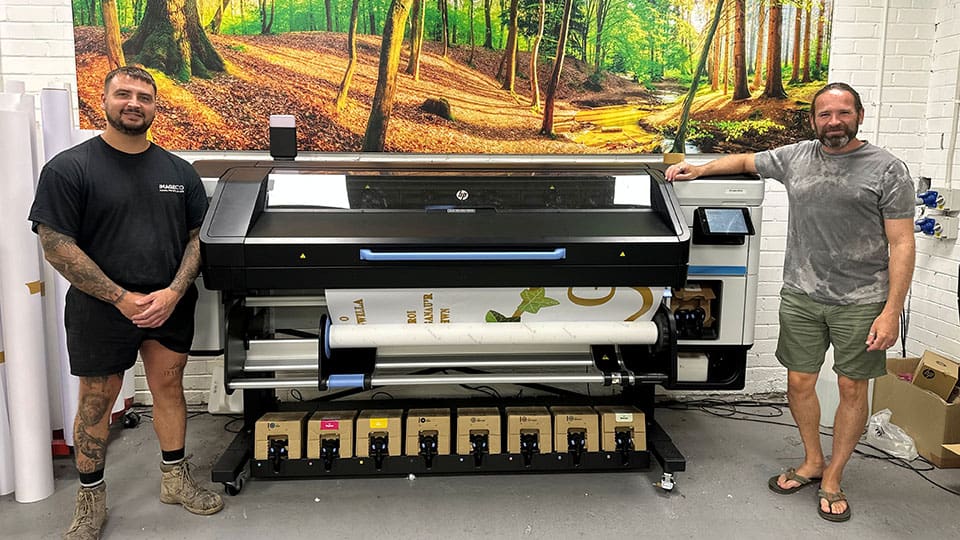
[L to R] Print manager, Sam Pratt, and managing director, Nathan Swinson-Bullough, both from Imageco, alongside their new HP Latex 830W
Subcontracted R&D: If you’re a supplier doing R&D for another business, or vice versa, the new rules on who can claim what has changed. It’s vital to understand the impact before submitting a claim.
As the 2025 Spring Budget highlighted, the government remains committed to R&D incentives but is demanding a higher bar for evidence and integrity. Working with a specialist which understands both the print industry and the scheme’s compliance expectations is key.
Client Stories: R&D in Action
Across our portfolio, we’ve worked with leading names in the print sector to help them unlock value from their innovation.
Imageco has been at the forefront of sustainable large-format printing. Its investment in eco-friendly substrates and low-impact finishing techniques involved significant experimentation – exactly the kind of activity the scheme supports.
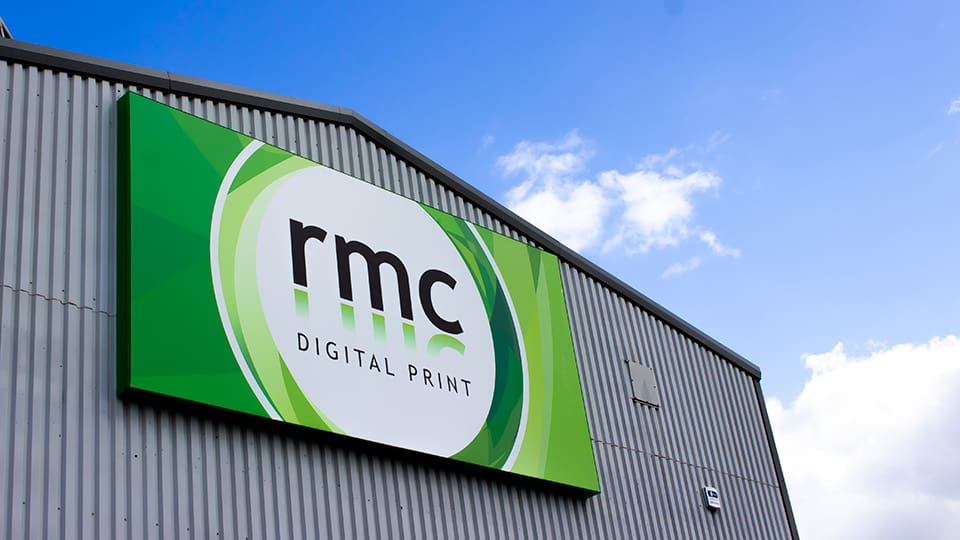
RMC Digital has enhanced its fabrication and digital workflow systems to meet bespoke customer needs at speed. Its claim helped fund further improvements to production throughput and customisation capabilities.
RMC Digital Print says it didn’t realise how much of its spending could qualify for R&D funding
Augustus Martin, one of the UK’s many point-of-sale specialists, has invested in continuous process innovation to maintain quality and efficiency at scale.
As RMC Digital put it: “We didn’t realise how much of what we do could qualify – it’s now a key part of our funding strategy.”
Why Quality Matters
With HMRC under pressure to clamp down on spurious claims, quality and compliance aren’t optional – they’re essential. At Kene, we follow the R&D Community’s Good Practice Standards, ensuring our clients’ claims are both robust and defensible.
That means; no inflated eligibility promises, clear documentation of qualifying work, and claims that withstand HMRC scrutiny.
We didn’t realise how much of what we do could qualify – it’s now a key part of our funding strategy
But it’s not just about paperwork, it’s about people. Our team includes sector specialists, technical writers, and former HMRC reviewers who know how to translate the nuances of your projects into HMRC’s definition of R&D. That means your claims are not only maximised but properly aligned with compliance standards.
If your previous claim was based on vague descriptions or generic templates, now is the time to re-evaluate.
What Should You do Next?
If you’re a print business innovating in any way, from process to product to software, it’s worth reviewing the past two financial years. You could be sitting on a valuable claim. Here are some practical next steps:
Check whether your team tackled technical challenges in recent projects
Review whether your accountant or advisor asked the right questions about R&D
If you’ve received questions from HMRC, consider a compliance review to strengthen your position
As one client put it: “It’s not just about the refund – it’s about recognising the innovation we already invest in.”
With smart, compliant support, the R&D tax relief scheme can become more than a year-end boost. It can be a strategic tool to fuel the future of your business.
For More Information:
For more information on how Kene supports the print industry with R&D claims, or to check your eligibility, visit kene.partners
Marketing manager and freelance marketing consultant, Rachael Hunt, talks about the impact a social media ban could have on print and the wider trend of disconnecting from digital technology to interact with tactile experiences for both practical and marketing purposes
Advercado was set up in 2020 by Joe Reid and Will Booth as a way for small businesses to find affordable advertising. Six years later the company is reaching out to printers to help local businesses utilise PSPs. In this article, Reid tells about the thinking behind this venture
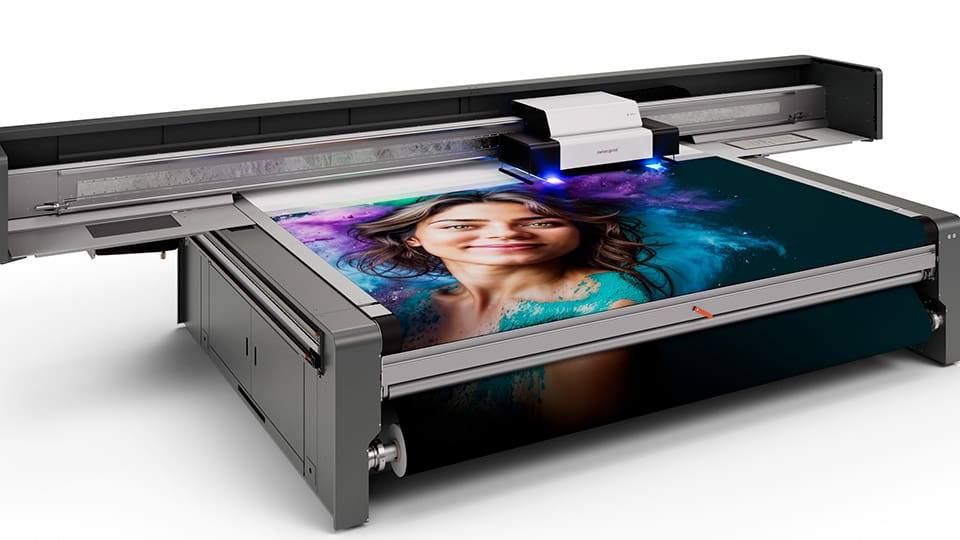
A true flatbed printer can enable greater accuracy and positional placement of media. However, that's not to say that belt-fed hybrid solutions don't have their place. But what are the differences between the two technologies? SwissQprint gives its insight
(this was inserted into the PHP of a code block)
Watch our latest video of the week
Print Monthly gives you the latest video coverage of companies, people, and events from within the print industry.