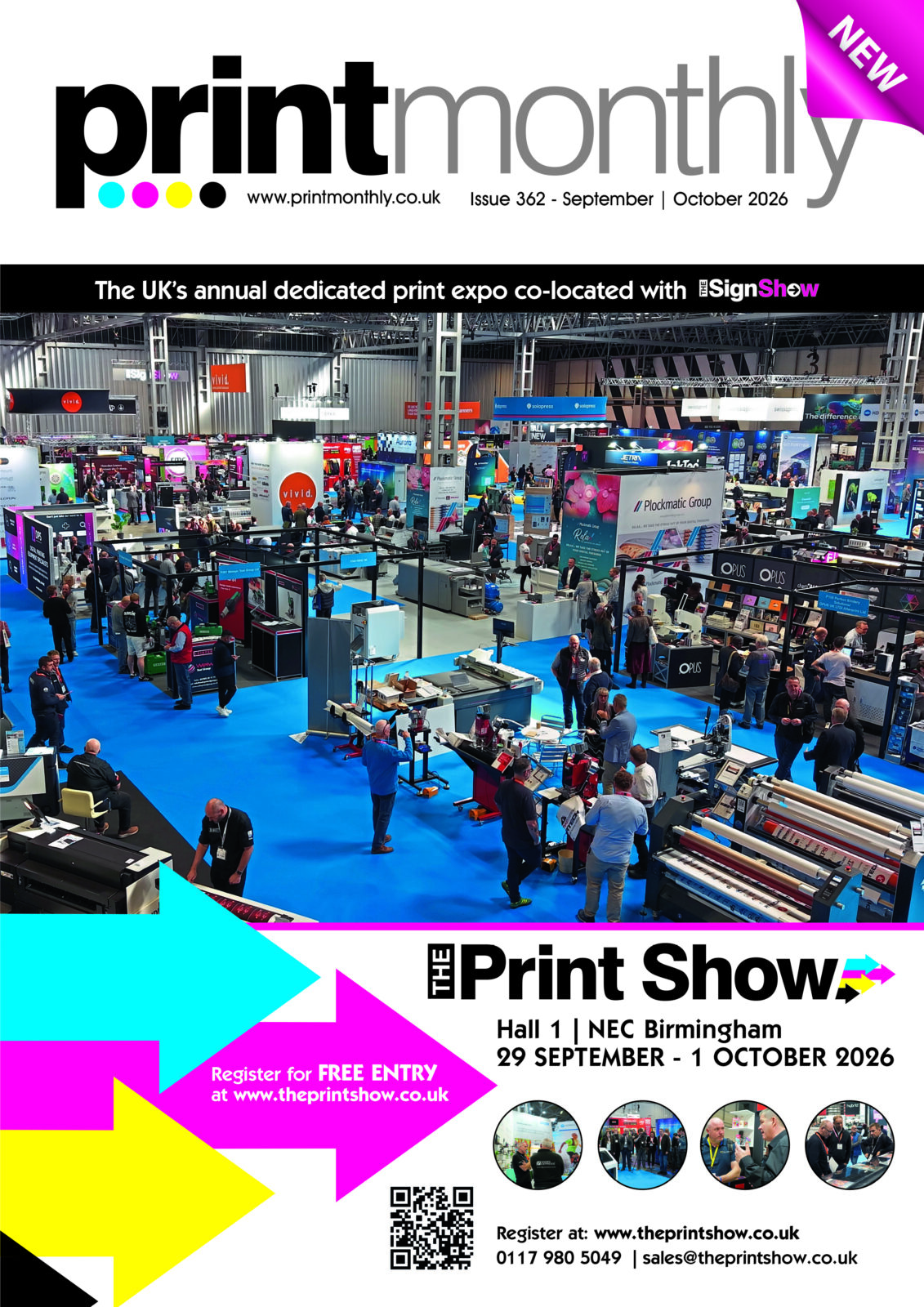
Visitors to 2026 Print Show exceeds over 5,500
Some 5,567 attendees were reported across the two shows this year, with some exhibitors also confirming a series of machinery sales that were completed during this year’s event


A number of Royal Mail price changes for parcels and tracked services have come into effect today, while a major Ofcom dispute has successfully frozen corporate bulk-mail hikes until December

A new set of Royal Mail price changes has come into effect today (October 5th), which will increase the price of parcel, tracked, and guaranteed services.
Under the latest tariffs, parcel stamp prices have risen by between 35p and £1.45 per item, representing an average increase of roughly 8%.
Meanwhile, First and Second Class standard letter stamps and large letter stamps remain at their current prices. Mailmark franking prices have also remained the same, meaning that franking a parcel now offers a savings margin of about 7.3% to 8.6% compared to standard stamps.
Parcelforce Worldwide items requiring manual handling may now incur a new manual handling surcharge of £4.15 per item.
The changes follow a regulatory dispute over wholesale price increases that Royal Mail was also planning to introduce today.
Royal Mail originally planned to implement large-scale price increases for its Network Access and wholesale services, a network used by corporate bulk mailers, utility companies, and direct mail advertisers via operators like Whistl and Citipost. The proposed hikes included an approximate 36% increase for Business Mail.
The scale of the increase triggered a backlash from the sectors affected, with access operators filing a formal dispute. In September, the regulator Ofcom officially accepted the dispute, triggering an automatic suspension of those specific wholesale price increases while Ofcom investigates whether the charges are “fair and reasonable."
Following the Ofcom intervention, Royal Mail then completely withdrew its original wholesale price plans and issued a new notification with revised, lower price increases. These less severe price hikes are now scheduled to take effect in early December.
Speaking about the price increases that have come into effect, Mark Statton, director of strategy, public sector, and industry at Quadient UK, says: “As Royal Mail’s new tariff changes come into force today, businesses will once again be looking at what higher mailing costs mean for their budgets. Price changes happen, but simply absorbing the financial impact each time is not a long-term strategy.
“For organisations sending mail at scale, the bigger issue is not just how much prices have changed, but whether they truly understand what they are paying for. Using services that no longer offer the best value, missing available discounts or overlooking opportunities to automate can all add unnecessary cost – and across thousands of items, that quickly adds up.”
Commenting on how businesses should react to these increases, Statton adds: “Mail remains essential for many organisations, particularly when customer communications need to be trusted and accessible. Rising prices don’t mean businesses should send less mail, but they do make it more important to be deliberate about how mail is used, from choosing the right service to deciding where physical and digital communications work best together.
“Another tariff change should be a reason for organisations to take a fresh look at how they use mail, where they may be spending unnecessarily, and what they can do differently. With postal costs continuing to change, treating every increase as unavoidable could mean paying more than they need to.”