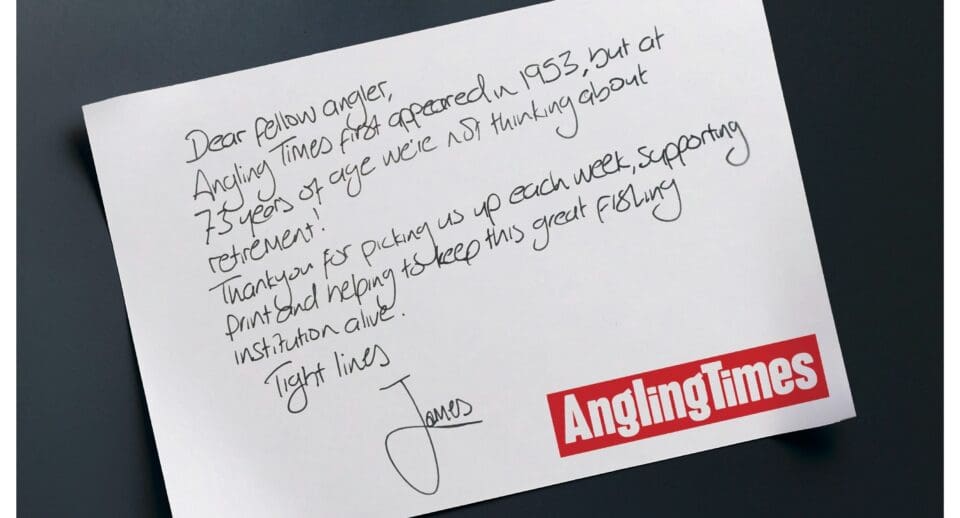
PPA campaign celebrates value of printed magazines
The Professional Publishers Association joined forces with nine UK publishers to run the special campaign, highlighting the importance of printed magazines in the daily lives of people across the UK

Some 36% of respondents highlighted energy costs among their top five concerns, while global unrest and wage pressures also caused headaches for printers during Q3

Energy costs have overtaken sales as the biggest concern among UK print business, the BPIF has revealed in the latest edition of its Printing Outlook.
Published yesterday (18th November), the report set out how both printers and packaging businesses reported an increase in orders during the third quarter amid a seasonal upturn.
While acknowledging a better-than-expected performance during the three-month period, the BPIF described it as a “subdued” improvement, “muffled” by rising costs, curtailed budgets, fluctuating uncertainty, and a heavy administrative burden on companies.
On this, 36% of businesses that responded to the BPIF cited energy costs as among their top five concerns, more than any other issue in Q3 and a significant increase from 21% in July. Global unrest ranked second with 35%, ahead of wage pressures on 34%.
Previously concerns over the level of sales in the industry had forced its way up to become the top concern. However, in the latest report, this appeared to be less of an issue, with 28% ranking sales among their top five concerns.
In terms of output, 47% of printers experienced an increase in levels during Q3, with 25% able to hold output steady. While 28% reported a decline in output levels, the BPIF noted that the figures exceeded its expectations for the period.
As for industry confidence, there was strong recovery in Q3 and well ahead of expectations from the BPIF. However, this is not expected to extend into Q4, with global conflicts and uncertainties continuing to divert a subdued economic performance.
Confidence in the general state of trade improved for 40% of respondents in Q3, 37% said they remained the same, while 23% reported the general state of trade had deteriorated.
“Companies noted that orders and output picked up in Q3 as clients decision-making pushed through some previously delayed work and progressed on their year-ending projects,” says Kyle Jardine, economist at the BPIF.
“Printers have been able to increase prices and pass on some proportion of their cost increases, but it was commonly noted that this often led to some downward adjustments in volumes from clients – and not necessarily an increase in their expenditure.
“Whilst the forecast for Q4 is muted, the order book picture in October perhaps offers a suggestion that the outcome for Q4 could be marginally better than expected – and capacity in October was already exhibiting an upturn from July.”