New MD at Two Sides as Jonathan Tame departs
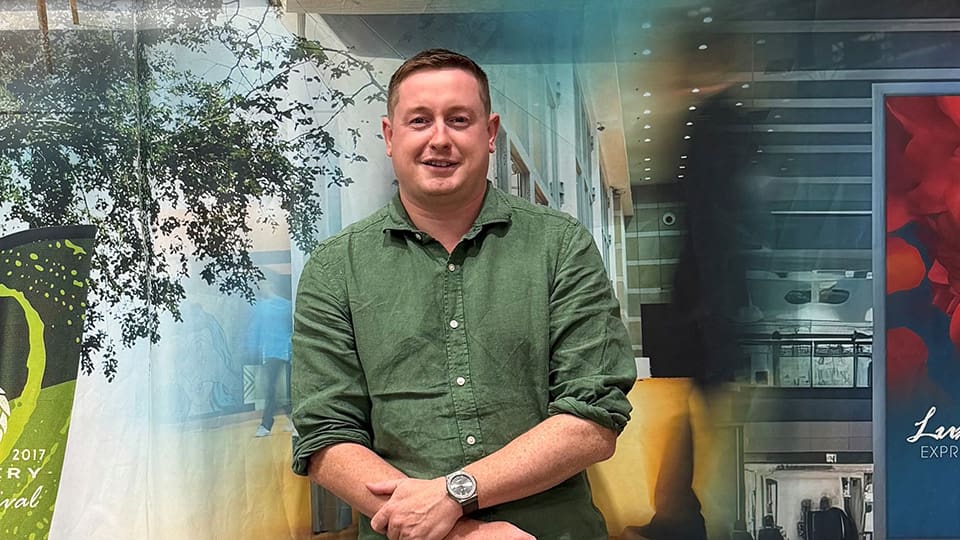
Two Sides Europe has announced Josh Birch as managing director of Two Sides which will be effective from January 1st, 2027


Tanya Howe, sales director for Ricoh Graphic Communications offers her insight on how diversity and inclusion in the print industry have evolved in recent years

A diverse workforce carries with it numerous benefits for an organisation. Inclusive environments help to foster creativity, open communication, and collaboration, which can lead to more effective problem-solving and decision-making and, in turn, potential increases in productivity, growth, and innovation. Organisations that make diversity and inclusion their priority also tend to attract (and retain) the best talent.
The print industry is no different to any other in terms of the benefits diverse teams can bring.
Digitalisation and automation represent a real opportunity to open this sector up to a wider and more diverse talent pool. This poses a question: What can print leaders and businesses do to improve D&I and reap the benefits?
Reviewing the existing skillsets of the workforce is a great starting point as this allows an organisation to identify opportunities for new skill development and helps to achieve real ‘buy-in’ from within their teams.

The benefits of investing in existing talent and providing equal and equitable opportunities for development are two-fold. Not only does it help nurture an inclusive environment but can also have a significant impact on an organisation's bottom line.
Recent research by Ricoh Europe revealed that the average cost of replacing employees stands at over £9,000. Training and development can be delivered at a fraction of the cost of recruitment, whilst making employees feel supported in their personal and professional growth.
For many, diversity and inclusion in the workplace have become a ‘tick box’ exercise but for businesses wanting to improve D&I, ensuring open, honest, and clear communication with their workforce is essential.
Effective communication also means listening to your teams, hearing their feedback, and acting on it to give them the tools and environment they need to thrive.

However, it’s not just about internal communication. Print customers are now made up of different ages, genders, abilities, and backgrounds. A diverse team is better equipped to use their unique experiences, skills, and perspectives to listen to and understand the unique needs of each customer.
Recently, I spoke with Deborah Corn from Girls Who Print for Ricoh’s Anything in Print podcast series. We touched on the role of women in the print industry with Deborah highlighting how diverse teams are better at creating stronger customer connections and providing better service.
The future health of the print industry relies on a diverse workforce and looking beyond conventional recruitment processes is vital.
We work with several partners to help us recruit from a diverse pool of candidates, including Business in the Community and the Prince’s Trust. Print service providers can access similar services run by the IPIA, the BPIF, and other trade organisations.

In today’s job market, looking for the ‘perfect’ candidate with the complete skill set is challenging and often unrealistic. Hiring candidates with the right attitude and willingness to learn, along with providing the right development opportunities mean that businesses can develop a skilled and loyal workforce, equipping them to tackle the rapidly changing business landscape.