New magazine launched for UK’s grassroots music scene
Drowned in Sound has launched SHOWNOTES, a new print title supported by Music Venue Trust which is dedicated to celebrating live music in the UK


Several organisations have reacted and criticised the latest government budget

Following a string of cuts in the Autumn Statement, chancellor Jeremy Hunt has delivered his Spring Budget in the wake of decreasing inflation but stagnating economic growth which has led the UK into a recession.
The Autumn Budget was welcomed by many due to the increase of the National Living Wage as well as the Full Expensing tax break which allows companies to deduct spending on new machinery and equipment.
At this stage, full expensing for leased assets is on the agenda to address the disparities of the scheme such as between leased and non-leased assets.
Portia Pierrel, capital allowances director at PwC, says: “It is not clear yet on the extent and timing of when this will apply, only that the changes would be made ‘when fiscal conditions allow’ - we wait to see further details in the draft legislation which is expected to be published shortly.”
Much of the Spring Budget was predicted due to the criticism from opposition parties, early revelations by government officials, and speculation taking place in the mainstream press.
Barret Kupelian, chief economist at PwC, says: “This Spring Statement was Westminster’s worst kept secret - most of the policies were leaked ahead of time and there were no major surprising changes to tax policy.

“No rabbit, no hat - a no-surprises Budget that certainly did not feel like a pre-election fiscal event. While there was a bit of tinkering by the Chancellor, the announcements today will not shift the dial significantly in terms of the UK economy, with the Chancellor opting against a big Budget crescendo.”
According to the British Printing Industries Federation (BPIF), the key measures affecting printers are the increase in the VAT threshold, the Recovery Loan Scheme for SMEs, and fuel duty being frozen for another 12 months.
BPIF chief executive, Charles Jarrold, says: "This seems to be quite a modest and measured budget, which after some of the upheavals of the last couple of years, is not wholly unwelcome. While there was little directly on offer to our sector, it’s encouraging to see more positive forecasts emerging on the economic situation with both growth forecasts being revised modestly upwards, and inflation predictions downwards.”
“The personal National Insurance reductions may increase consumer demand, boosting the economy, which would be good for the sector, and the same can be said of the confirmation of tax reliefs currently in place for the leisure and creative sectors – these sectors are important users of print, so help there helps us.”

Nigel Green, the chief executive officer and founder of independent financial advisory and asset management organisation, deVere Group, says the chancellor is “dangling a carrot to potential voters” by hinting at further tax cuts.
Green says: “The fact remains that the personal allowance – the amount people can earn before starting to pay tax – and the thresholds for the higher and additional rates – are frozen again. This means that as wages increase, more people will be pushed into higher-rate tax bands.”
“The tax burden in the UK is now to reach the highest levels in 70 years. […] Against this backdrop of increasing tax burdens, and an economy in a deeper-than-expected technical recession, meaning less investment for businesses and jobs, we expect that there will be a growing number of hard-working people across the country looking for work and life opportunities overseas.”
Green believes the current economic squeeze, lower tax burdens, and scrapping of the non-dom tax status could push many investors and workers to other countries.
"It was a flop and that which could be a masterclass in the Law of Unintended Consequences as it could push more hard-working people and investors out of the UK,” says Green.
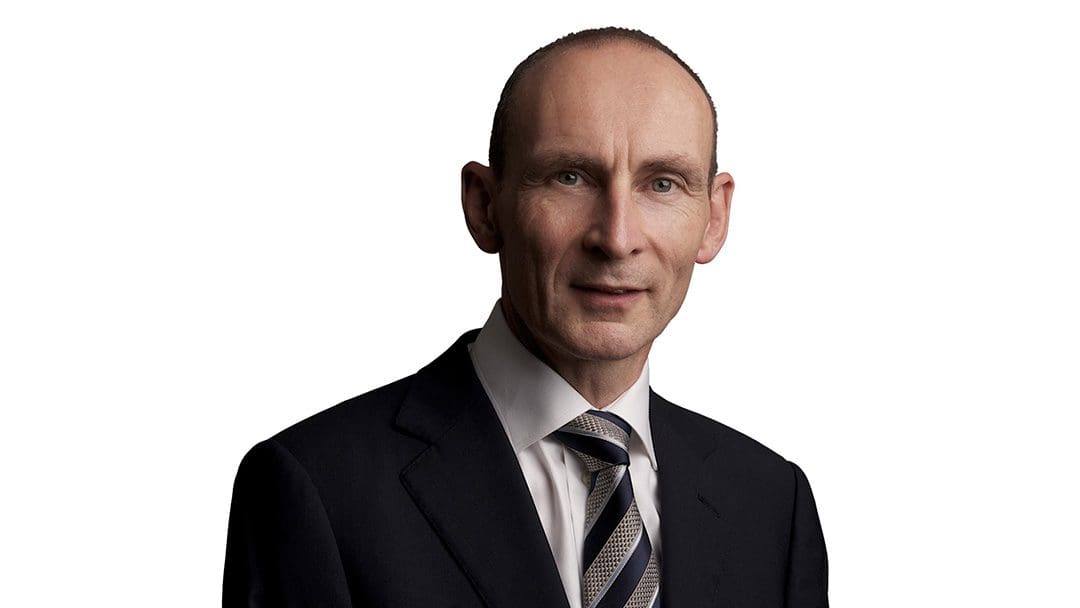
Giving his advice to paper and packaging businesses regarding the decrease in consumer spending, James Burgess, commercial and insolvency expert at Atradius UK, says: “UK firms saw payment defaults increase by 55% in 2023, driven by rising running costs and cash flow challenges in supply chains.
“We often hear about the ‘domino effect’ of insolvency, and so for firms reliant on a healthy supply chain, protecting vulnerable trade credit agreements with insurance, diversifying supply chains, and being agile to consumer trends are the most proactive way to strengthen business finances as we navigate the uncertainty around the upcoming election.”
Speaking about its disappointment regarding the support for SMEs, Jarrold adds: “We were hoping for a clearer recognition of the contribution of UK manufacturing, especially for SMEs. They are the engine-room of UK growth yet are still struggling with high energy costs, Covid loan repayments, and mandatory wage increases.”
The BPIF remains convinced that the UK needs an integrated and comprehensive industrial strategy that boosts investment in skills, technology, environmental improvements, and infrastructure; emphasising the productivity and skills challenges the industry is dealing with.
“We will continue to lobby Government for a business environment that supports our members’ growth while reaching out to opposition parties to ensure the voice of print is heard in the run-up to the General Election,” concludes Jarrold.
If you’d like to share news or opinions with us feel free to email at news@printmonthly.co.uk or join in with the conversation on Twitter and LinkedIn.