Paper mills adjust operations amidst rising energy costs and sustainability targets
Carys Evans
December 7, 2022
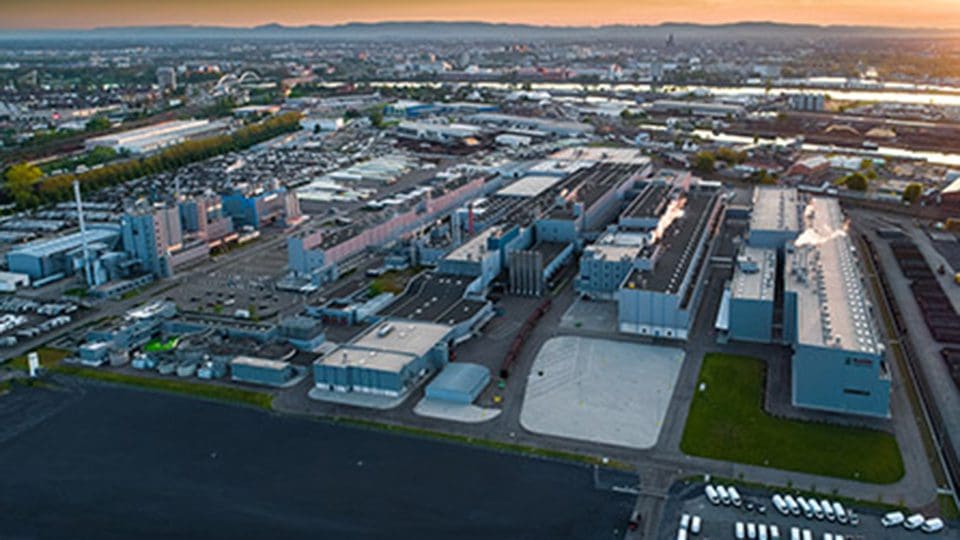
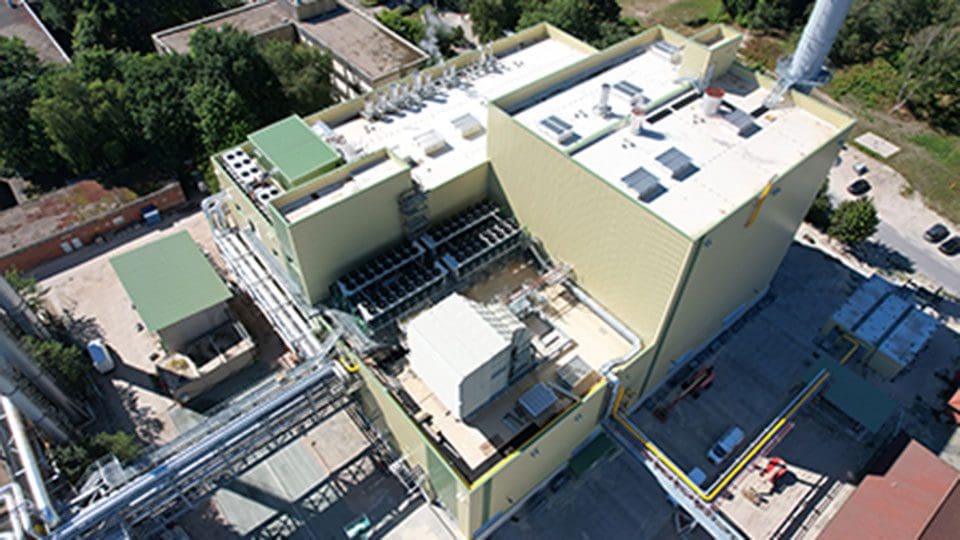
UPM has invested €100m in a new UPM combined heat and power plant in Germany
Paper mills around Europe are reassessing their operations and making adjustments as the cost of living rises with energy prices continuing to increase.
These rises are making the production of paper and packaging unviable in some cases due to the amount of energy it takes to power these mills.
The cost of energy has been an ongoing issue for mills for some time with Print Monthly reporting the first hints of trouble in 2021. Sappi Europe implemented an energy surcharge back in Autumn 2021 citing an “unprecedented increase” in energy prices that it could no longer absorb.
According to the Association of the Austrian Paper Industry (Austropapier), companies with energy-intensive production are having to spend up to ten times more on electricity and gas than last year.
At the start of the year Metsä Tissue announced it was temporarily halting its production due to the high electricity cost with both its Zilina Mills in Slovakia and its Kreuzau Mills in Germany stopping production for several days.
Koehler Paper has signed a ten-year agreement for green power
In the Summer of 2022 Lessebo Paper was forced to halt production in Sweden citing the same reasons. According to the company, its electricity cost had escalated from €3m (£2.6m) to €19m (£16.3m) per year.
The Autumn/Winter period is proving to be no better with energy prices continuing to rise at unprecedented levels. The escalation of energy costs has now seen Sappi Europe temporarily reduce capacity at its Carmignano Mill in Italy.
The mill has made this decision due to the “continuing and sharp escalation of energy costs”. The company has said the energy crisis is adding to the already high costs of raw materials and transportation which is creating an “extraordinary” challenge for the entire industry.
Other mills and paper manufacturers are assessing the way they use energy and are making changes which benefit the environment as well as minimise the effects of the price inflation.
UPM has opened a new combined heat and power {CHP) plant in Germany in a bid to become more efficient amidst the current energy crisis. This move also takes the company closer to its target of decreasing its CO2 emissions by 65% by 2030.
This €100m (£86m) investment at the Nordland Papier mill is described as a major step in this sustainability journey and will reduce UPM’s CO2 emissions by 300,000 tonnes each year, power the facility, and feed surplus power back into the electricity grid.
The largest fine and specialty paper manufacturing site in Europe, the Dörpen, Lower Saxony site is an 84MW gas-fired plant and has been designed ready for hydrogen power. This power type is expected to play a key role in Germany’s long-term green energy transition.
UPM’s new combined heat and power plant will reduce its CO2 emissions by 300,000 tonnes each year
Winfried Schaur, executive vice president of technology and UPM biorefining, comments: “In the current energy crisis, coupled with the increasing need for carbon reductions, it is vital that we invest and innovate to become more efficient.
“The power plant will increase the sustainability of our paper production while contributing flexible support to the German energy system.”
Another company to adjust its energy usage is Koehler Paper (part of Koehler Group). Founded in 1807, the Group produces and develops high-quality speciality paper. This includes thermal paper, playing cardboard, drink coasters, fine paper, carbonless paper, recycled paper, and more.
Koehler Paper, a producer of high-quality speciality paper, has signed a long-term green power agreement with RWE Supply & Trading. The ten-year contract is for up to 175,000-megawatt hours per year from 2023. This power will come from the Dutch 54-megawatt Waddenwind wind farm in the Groningen region.
According to Dr. Stefan Karrer, chief operating officer of the Koehler Group, this move will save around 100,000 tonnes of CO2 each year.
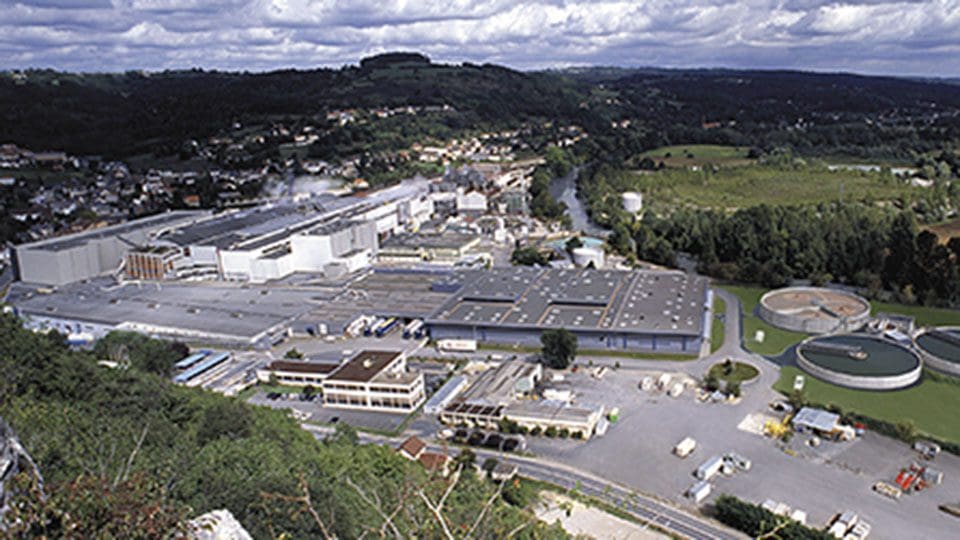
European manufacturer and distributor of specialty paper for labels and flexible packaging, Lecta, is also making an energy switch at its Condat paper mill in France.
Lecta’s new RDF boiler will cover around half of the mill’s steam usage
The company has invested in a refuse-derived fuel (RDF) boiler which will be completed by mid-2024. Based on a circular economy, the RDF boiler will collect waste with high biogenic content from local sources to then be used as fuel.
As well as benefiting the environment, the boiler, which will cover about 50% of the mill’s steam usage, is much less expensive than using natural gas.
Gilles Van Nieuwenhuyzen, chief executive officer of Lecta, says: “This energy project is an important milestone in the ongoing transition of Lecta towards new growth markets and the utilisation of more sustainable energy.
“The new boiler will ensure a stable, long-term supply of cost-competitive and 100% renewable steam as an alternative to fossil energy sources like natural gas.”
Paris-based investment company Kyotherm has been assigned to oversee the financing of the project and will finance up to €45m (£38.7m) of the total project cost of €56m (£48m).
Alain Gaudré, president of Condat has also praised the French authorities for their support on the project and notes the close cooperation with Ademe which provided a subsidy of €14m (£12m).
The closing financial agreement signed is due to take place during Q1 2023.
If you have any news, please email carys@linkpublishing.co.uk or join in with the conversation on Twitter and LinkedIn.
James Cropper has revealed a transformation in results for its Paper & Packaging division, despite highlighting a range of ongoing issues including rising energy costs and supply chain issues
Antalis has acquired the trade and assets of UK paper merchant, Ovenden Papers, after the family-owned business entered administration due to cashflow pressures
UPM and Sappi have nominated members of its senior staff as the chief executive officer and chief financial officer of its new Joint Venture, conditional on receipt of all regulatory approvals
(this was inserted into the PHP of a code block)
Watch our latest video of the week
Print Monthly gives you the latest video coverage of companies, people, and events from within the print industry.