In this Q&A special we speak to Ian Wilton, former BPIF president, about his perception regarding the direction of the print industry in 2025
David Osgar
August 15, 2025
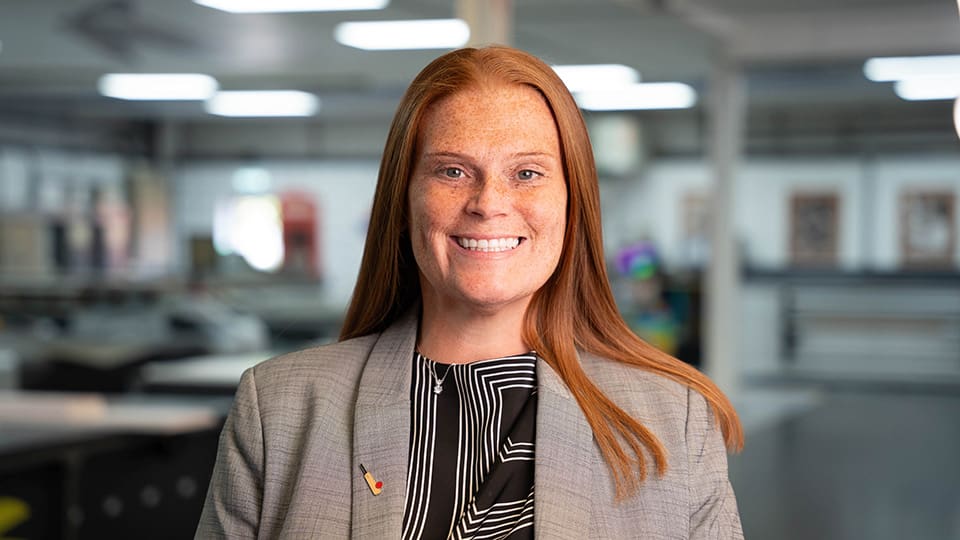
Ian Wilton [pictured] says that the print industry is “leaner, smarter, and more dynamic than ever before”
Can you introduce yourself and your role in the print industry?
I’ve been involved in the print and communications industry for over 35 years, both in executive roles and through my relationship with the British Printing Industries Federation (BPIF).
I had the honour of serving as president of the BPIF between 2020 and 2023. While I’ve now stepped down from that role, I remain a passionate advocate for the UK print sector and continue to engage with the industry through various advisory and mentoring activities.
During my tenure as BPIF president, I focused on steering the federation’s strategic priorities, promoting the importance of print in a digital world, and supporting our members as they faced unprecedented changes. I continue to support the sector as a consultant, mentor, and advisor, drawing on years of experience to help and guide the next generation of industry leaders.
How would you summarise the print industry in 2025 and its current direction?
The print industry in 2025 is leaner, smarter, and more dynamic than ever before. Sustainability and digitisation are no longer optional – they’re core to our survival and success. While volumes in some traditional segments have declined, we’ve seen strong innovation in packaging, direct mail, and other areas of print.
The direction is clear – value-added services, data integration, automation, and an increased emphasis on environmental accountability will define the next chapter of print.
Would you say this is a difficult time for those entering or working in the industry?
There’s no doubt that it’s a challenging environment, especially for smaller businesses or those without a clear value proposition. However, challenge also brings opportunity. Young professionals entering the sector today have a unique chance to help redefine it, especially in areas like sustainability, design-for-print, and smart manufacturing. With the right support structures, such as those offered by the BPIF, this can actually be an incredibly rewarding time to enter the industry.
What are you hearing from colleagues and members of the industry in regards to pain points?
The most frequent concerns I hear from members are around recruitment, rising costs, and the pressure of constant reinvestment. Many are finding it difficult to attract skilled young talent into what is still perceived by some as an ‘old-world’ industry — when in fact, it’s anything but.
Regulatory burdens, especially on ESG compliance, supply chain transparency, and packaging waste regulations are also a significant and growing concern. And of course, the economic uncertainty has added another layer of complexity.
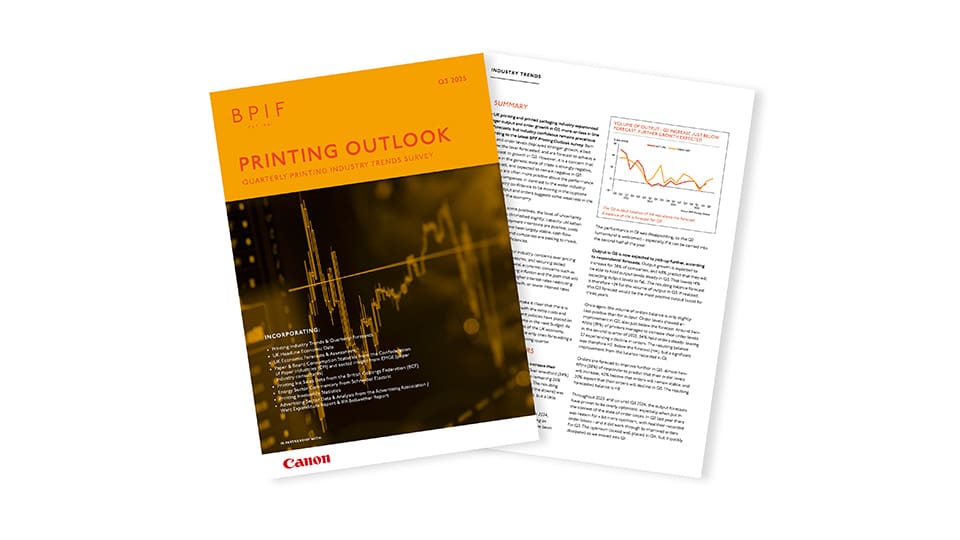
The BPIF’s recent Q3 outlook revealed “strongly negative” industry confidence
What initiatives and efforts are the BPIF making to help and grow the industry?
The BPIF is heavily focused on three pillars: skills, sustainability, and innovation. We’ve expanded apprenticeship programmes and industry-specific training to address the talent gap, and we’re helping members navigate new standards with practical, achievable pathways.
Our benchmarking and market intelligence services have also become more robust, giving businesses the insights they need to remain competitive. Additionally, we’re advocating nationally for policy that supports manufacturing and promotes the print sector’s true value.
What advice would you give to printers looking to grow and overcome current challenges?
My advice is to focus on differentiation and partnerships. Identify what makes your business unique – whether it’s customer service, turnaround speed, sustainability credentials, or niche product offerings – and lean into it.
At the same time, don’t be afraid to partner with technology providers, designers, or even other printers. Collaboration is increasingly key in this fragmented market. Lastly, stay close to your trade body – organisations like the BPIF exist to give you the support, foresight, and resources to succeed.
What takeaways do you have from the BPIF’s recent industry surveys?
One clear message from our recent surveys is that there is resilience. Despite facing higher costs, labour shortages in certain areas, and macroeconomic pressures, UK print businesses are showing real adaptability.
We also saw a clear rise in interest around carbon reporting, sustainable substrates, and process automation. However, confidence is still shaky, which is why the BPIF is prioritising support in all areas of planning, innovation adoption, and lobbying for sector-specific policy support.
What hopes do you have for the future of the industry and the BPIF?
I’d like to see the print sector fully embrace its modern identity, one that’s creative, high-tech, and essential to communication, commerce, and education.
The BPIF’s role is to continue being a bridge between tradition and innovation, giving members the tools and representation they need in a complex world. I hope the federation continues to attract young, diverse talent into leadership roles and reinforces the relevance of print in a digital-first economy.
What can we expect to see from the association in the next year?
Looking ahead, you’ll see the BPIF doubling down on apprentices, workforce development, and sustainability. Expect an expanded range of online learning, more regional engagement events, and deeper collaborations with educational institutions.
We’re also developing new tools for members to track carbon impact and improve energy efficiency. On the policy side, we’ll continue to advocate for investment in UK manufacturing and better support for SMEs in the print supply chain.
Anything else to add?
I’d just like to emphasise just how adaptable and resilient print is – it’s undergone transformation as digital communications plays a bigger role in society, and it remains a huge and uniquely effective medium.
We need to shake off outdated perceptions and celebrate the innovation and resilience this industry has shown. With strong leadership, a future-focused workforce, and the support of organisations like the BPIF, the print sector has every reason to be optimistic. I remain incredibly proud of what the BPIF stands for, and I’m confident the best is yet to come.
Following the launch of AI Adoption in Manufacturing: A Practical Toolkit from Made Smarter, we speak to Kevin Smith, lead technology specialist at Made Smarter North West, about how print and packaging companies can benefit from the new practical toolkit
Following her award win at the Welsh National Wedding Awards, we speak to Grace Hussey, owner of Print On Me, a print and stationery company based in Caldicot, Monmouthshire, which come together with the help of her father, Peter Flynn, owner of International Graphics Supplies (IGS)
We speak to Samantha Overton, managing director of Zebra Print Group, about the volatility of the modern print market and navigating supply chain disruption
(this was inserted into the PHP of a code block)
Watch our latest video of the week
Print Monthly gives you the latest video coverage of companies, people, and events from within the print industry.