New MD at Two Sides as Jonathan Tame departs
Two Sides Europe has announced Josh Birch as managing director of Two Sides which will be effective from January 1st, 2027



The BPIF has outlined the ways in which the Extended Producer Responsibility (EPR) could impact print and packaging businesses.

First proposed by the Government in the Resources and Waste Strategy for England in 2019, the Extended Producer Responsibility (EPR) hands the full cost of managing household waste to producers.
Not to be confused with the Plastic Packaging Tax which came into effect on April 1st, 2022, the idea of EPR is to create a circular economy in which packaging and increased quantities of recyclable packaging are reproduced rather than thrown away.
There has been a lengthy consultation process over the past four years with the Government making decisions based on these responses. There have also been delays caused by the pandemic and political unrest.
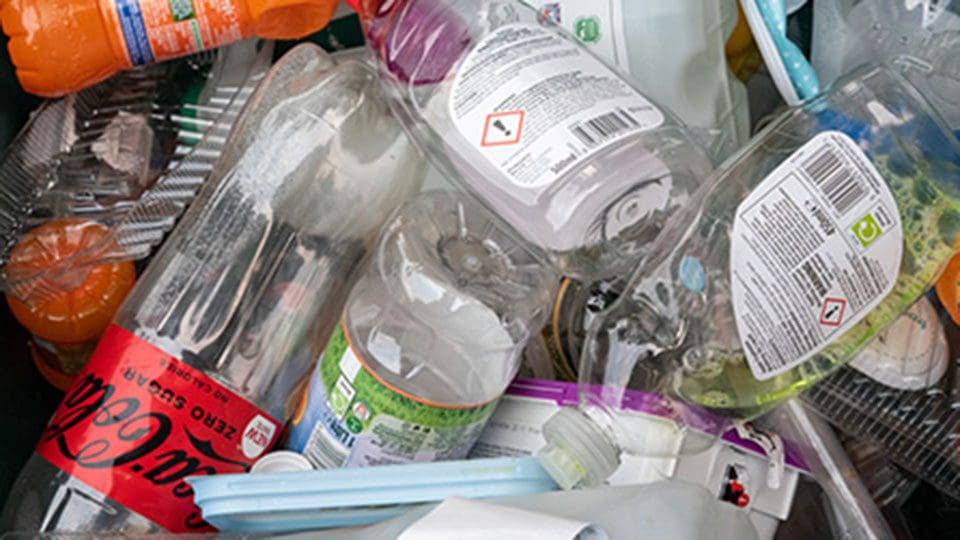
Environmental compliance data specialist, Ecoveritas described the feeling of some producers as “confused or oblivious to what EPR will mean for them”. The company has also said businesses are overwhelmed by what will be needed to scale up their data management process to comply with new regulatory requirements.
The rules vary depending on the size of the business, and the British Printing Industries Federation (BPIF) has offered some helpful information on how this new reform could affect print and packaging businesses.
As the BPIF explains, a business will be obligated under EPR if ALL of the following apply:
According to the Government, a business is classed as a small organisation if it has a turnover of between £1m and £2m and it handles up to 50 tonnes of packaging and/or packaging materials. A large organisation is classed as one that has an annual turnover of more than £2m and handles over 50 tonnes of packaging or packaged goods.

The main difference here is that whilst small organisations were required to start recording data from January 1st, 2023, they don’t need to create an account or register until January 2024. They also don’t need to pay any fees until 2024. Data will need to be reported between January 1st and April 1st, 2024.
Large organisations were also required to begin recording data from January 1st, 2023, but they will need to create an account and register and pay a fee to the environmental regulator from July 2023. Data will need to be reported every six months starting with from January to June 2023 which will need to be reported between July 2023 and October 1st, 2023, and also for the period July to December 2023 which will need to be reported between January 1st and April 1st, 2024.
The exact information on what the fees will be is yet to be announced by the government.
According to the BPIF, manufacturers and producers will be incentivised to use packaging that is widely collected from householders for recycling and to increase recycled content in packaging. There will be additional six-monthly collection and reporting requirements starting in October 2023 for data that includes packaging type and recyclability.
There will also be an introduction of eco-modulation of EPR fees that obligated businesses must pay, which could increase producer compliance costs if using costly or tricky-to-recycle packaging.
In addition to this, there will be a requirement for UK nation reporting, separating out packaging supplied to each UK nation, and all packaging (apart from flexible films) will need to display a binary recyclability label from April 1st, 2026, declaring that it is either recyclable or non-recyclable.
Charles Jarrold, chief executive of the BPIF, comments: “EPR represents a huge challenge to the industry, unveiling a radical shake-up and increased burden on the print and packaging sectors. It’s a major change that’s already created obligations on sector companies, while the detail is still being developed by Government, which is not ideal.
“The BPIF is working closely alongside the entire packaging sector, pressing government for a great deal more clarity, which is urgently needed. We’re also committed to supporting the sector as fully as possible by understanding and interpreting the guidance as it emerges and working with partners across the sector to provide insight, advice, and a voice for the sector as EPR is implemented.”
On Thursday, February 9th, the BPIF will be hosting a webinar with Valpak to provide an introductory overview of EPR, as well as a Q&A to understand and address key concerns within the industry.
A place can be booked for the webinar here: www.britishprint.com/bpif-events/?acc=1&sa=showevent&id=109475&mth=1&yr=2023®ion=0&tag=0&when=9999
Andrew McCaffery, chief strategy officer of Ecoveritas, adds: “With required actions under EPR finally underway, outlining how the new regulation will work in practice for UK businesses that must comply with this new legal requirement must become our priority.
“We must move beyond discussing its merits and instead help businesses unpick the intricacies in already challenging times.”
Information from the Government on how to prepare for EPR and additional information on requirements and obligations can be found here: https://www.gov.uk/guidance/packaging-waste-prepare-for-extended-producer-responsibility#full-publication-update-history.
If you have any news, please email carys@linkpublishing.co.uk or join in with the conversation on Twitter and LinkedIn.