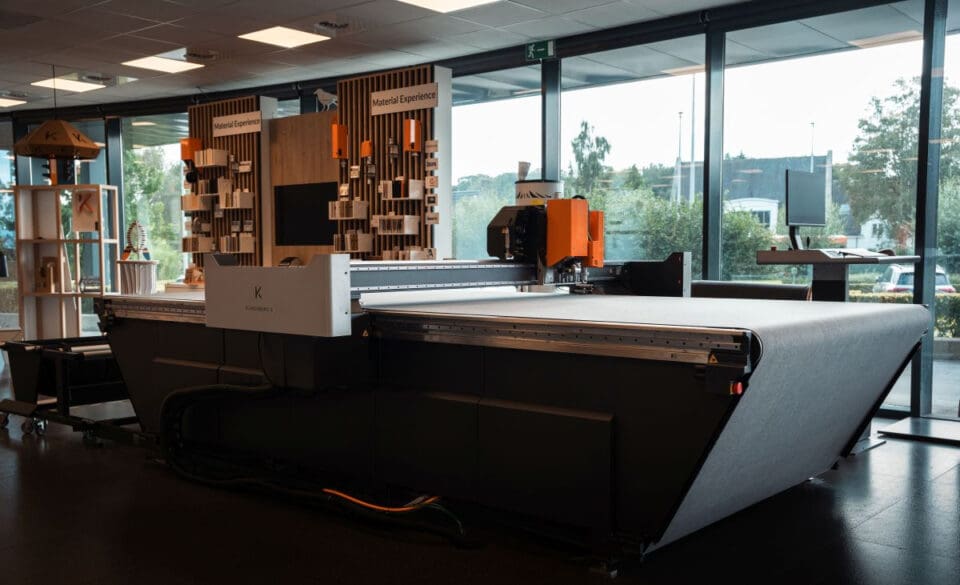
Time 2 Display sees major efficiency boost with HP PrintOS
The company says overall efficiency has been boosted by 15% following the implementation of the HP PrintOS Production Hub.


The organisation said its outlook for the second quarter suggests “depressed confidence” across the market.

The British Printing Industries Federation (BPIF) says the ongoing conflict in the Middle East was the primary reason behind what it describes as an “under-par” start to 2026.
In the latest edition of the BPIF Printing Outlook survey, the organisation casts an eye over the market and its performance during the opening quarter of the year.
Key points from the report include output and orders weakening during Q1, while rising cost inflation has significantly damaged confidence heading into Q2.
Some 38% of printers reported a drop in output during Q1, with the industry output balance dropping to -2, compared with +35 in Q4 2025. The BPIF adds that forecasts for Q2 point to a deeper downturn, with output expectations falling to their most negative level in more than five years.
While industry confidence remained marginally positive in Q1, the BPIF warns expectations for Q2 have “fallen away”, with the confidence forecast dropping to its lowest level since the pandemic.
Other findings include how concerns over global unrest have escalated across the sector, rising from almost nowhere to become the industry’s leading business concern. Some 58% of respondents selected global unrest as one of their top five concerns, up from just 12% at the start of the year.
Rising substrate costs, competitor pricing pressures and increasing energy costs were among the other concerns flagged in the latest report.
Commenting on the findings, Charles Jarrold, chief executive of the BPIF, says uncertainty increased at a time when the industry was gearing up for a “steady and stable” period of improvement in 2026. He also issues a warning over the situation in the Middle East, with seemingly no end in sight for the conflict.
“This quarter’s report does appear to be particularly negative, but much of that negativity is rooted in the forecasts and expectations for Q2, which are of course still subject to change as we move through the quarter and international events play out,” he says.
“It must be said though, that it does appear that no immediate resolution in the Gulf is in sight, and even when settled, some challenges will take time to unwind.
“Our regular contact with government means we can keep feeding back the state of play in the sector, and they take a keen interest; there are no easy answers, but there are things that the government could be doing to help business, investment and growth, and we will continue to push for action.”