The Print Packaging Playbook: Materials, Tech, and Collaboration
EasyFairs takes a look back at Packaging Innovations & Empack 2025 earlier in the year as inspiration for how printers can adapt and innovate within the worlds of print and packaging
Guest Writer
December 12, 2025
Packaging is no longer just a container. It is a statement of identity, purpose, and innovation. Today it speaks not only in design and materials but in sustainability and brand values. Driven by shifting consumer expectations, tighter regulations, and advances in material science and digital capabilities, packaging has become a complex ecosystem.
For printers, this is both challenge and opportunity. Success means moving beyond traditional press work to embrace design, technology, compliance, and collaboration. Drawing on industry insight and examples from Packaging Innovations & Empack 2025, let’s explore how printers can adapt, innovate, and claim a place at the forefront of packaging’s transformation.
The Changing Landscape of Packaging
The packaging industry is undergoing a profound transformation. It is no longer simply a vessel for product protection or shelf display, packaging now sits at the intersection of regulation, consumer expectation, sustainability mandates, and brand purpose. As Martin Settle of Reckitt, a member of the Easyfairs Packaging Council, puts it, packaging now stands “at the centre of a global reckoning involving regulation, public pressure, and systemic change”.
Because of this, printers entering the packaging domain must adapt not only their technical capabilities but also their mindset. Packaging is now a brand’s statement about its environmental, social, and governance credentials as much as its design flair.
Material and process innovation lie at the heart of packaging’s transformation. Printers today must balance print performance, efficiency, and environmental responsibility, recognising that sustainability extends through sourcing, production, and end-of-life. It is not just about meeting compliance standards but about building credibility and resilience in an increasingly regulated market.
Factoid:Packaging Innovations & Empack 2026 takes place from February 11th to 12th at the NEC in Birmingham
Industry voices, including members of the Packaging Council, have highlighted that environmentally responsible design must be systemic. Substrate selection, ink formulation, and barrier coatings influence recyclability, durability, and user experience. Reports following Packaging Innovations & Empack 2025 noted that biodegradable films, recycled paperboard, compostable plastics, and advanced barrier technologies are defining the next generation of packaging. These materials are now being tested and applied commercially, supported by supply chains adapting to sustainable production.
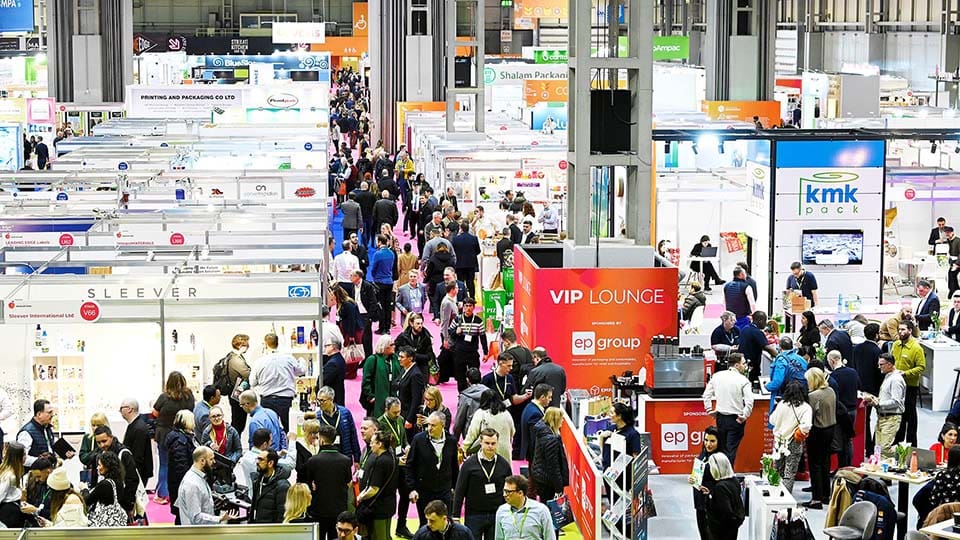
Packing Innovations 2025 reported over 7,400 visitors
A leading example is Swiss Pack Europe’s FORMIL refill spout pouch, developed with Algramo for Lidl. Recognised at the 2025 Innovation Gallery Awards, it enables in-store refills that reduce single-use plastic and promote circular consumption. For printers, this demonstrates the importance of understanding how new substrates perform on press, how inks adhere, how materials respond to moisture and heat, and how they can be finished at speed.
Technological progress underpins these shifts. Modern presses and finishing systems are now designed to handle flexible films, coated boards, and compostable laminates with precision. Automation, robotics, and AI are improving efficiency and consistency, while digital workflows make short runs and customisation more viable. As Packaging Innovations & Empack speaker, Stefan Casey of SharpEnd/io.tt observed: “AI will take over some jobs – we have to think differently across the entire supply chain. Technology is reshaping packaging in ways we couldn’t have imagined.”
Printers that invest in adaptable equipment, data-driven processes, and sustainable materials will be best placed to meet evolving consumer and regulatory expectations.
Digital Integration, Smart Systems and Inclusive Design
As packaging becomes increasingly sophisticated, technology has evolved beyond the press. Software and data-driven tools now sit at the core of packaging production, shaping how printers design, plan and deliver value. Workflow automation, MIS (Management Information Systems), design and prototyping software, and AI-enabled prepress optimisation are transforming once-manual processes into agile, intelligent systems. These digital frameworks not only improve speed and precision but also enhance sustainability by minimising waste and enabling smarter resource allocation.
Industry discussions have highlighted the growing need for software literacy across the packaging supply chain. Many speakers and exhibitors at shows point to a convergence between print, data, and digital engagement, urging printers to view packaging as part of a connected ecosystem. Smart packaging, for instance, relies on seamless software integration: technologies such as QR codes, NFC tags, and embedded sensors demand back-end systems capable of managing authentication, product provenance, and consumer interaction data. What was once static packaging now acts as a live communication channel, extending brand storytelling into consumers’ hands and delivering insights back to producers.
Many speakers and exhibitors at shows point to a convergence between print, data, and digital engagement, urging printers to view packaging as part of a connected ecosystem
These shifts also underscore a broader cultural change within the industry, a willingness to share expertise and learn collaboratively. The widespread publication of recorded sessions and open-access content following Packaging Innovations & Empack 2025 illustrates this spirit. By making technical discussions, case studies, and keynote presentations available on demand, the sector is helping professionals of all sizes access new thinking on digital transformation, sustainability and design innovation. Such openness accelerates collective progress, enabling even smaller or regional print houses to adopt digital workflows and participate in the next wave of packaging evolution.
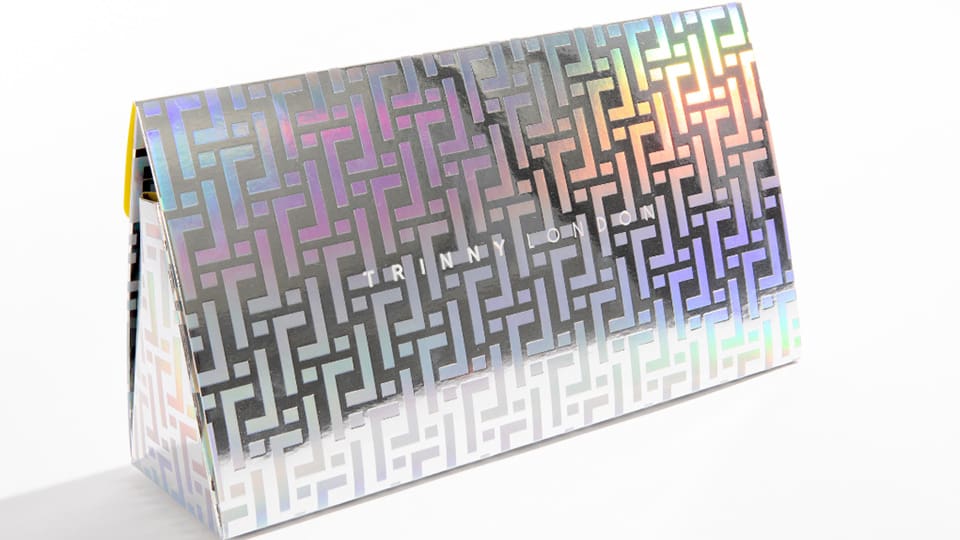
Premium packaging solutions were showcased at London Packaging Week 2025
Alongside technological progress, inclusivity in packaging design has also emerged as a defining priority. At Packaging Innovations & Empack 2025, RNIB Enterprises’ managing director, Daphne Mavroudi-Chocholi, captured the issue succinctly: “When we talk about designing for all, we need to think beyond obvious disabilities. Any friction in the user experience can be a barrier, therefore packaging must be designed with the future for all in mind.” Her comments reflect a growing understanding that accessibility is both a moral imperative and a commercial opportunity.
For printers and converters, this means incorporating accessibility features directly into the production process, whether through tactile markers for the visually impaired, braille or raised lettering, high-contrast printing for legibility, or ergonomic packaging structures that ease use. The tools that enable digital personalisation and connected packaging can also support inclusive design by allowing products to be tailored for diverse consumer needs
Inclusive, digitally integrated packaging is becoming a benchmark for modern print operations. Those who align technological sophistication with human-centred design are not only more efficient but also more relevant in a marketplace that values transparency, accessibility, and environmental responsibility in equal measure.
Regulatory and Policy Drivers
The role of regulation in shaping packaging strategy cannot be overstated. Across Europe and the UK, schemes like Extended Producer Responsibility (EPR) are pushing cost burdens back onto producers, demanding higher recyclability rates, incorporation of recycled content, and fees for non-compliant packaging.
At the event, Shane Doris from DAERA (Northern Ireland) delivered a strong message: “It has been a Herculean effort involving politicians, officials, packaging industry representatives, and other stakeholders from across the UK. I can think of no better event to launch PackUK, and I look forward to healthy discussions with the many value chain professionals attending”.
These regulatory shifts make responsiveness critical. Printers must be ready to support clients in compliance, providing accessible data about material composition, recyclability certifications, end-of-life strategies, and audit trails. Doing so can transform printers from commodity suppliers to strategic partners in a regulated ecosystem.
Scale, Collaboration and Ecosystems
No printer succeeds in packaging alone. The complexity of material sourcing, testing, certification, digital integration, compliance, and consumer insight demands collective problem-solving. Across the industry, organisations, associations, and event partners have recognised that collaboration and shared learning are essential if packaging is to evolve sustainably and efficiently.
No printer succeeds in packaging alone. The complexity of material sourcing, testing, certification, digital integration, compliance, and consumer insight demands collective problem-solving
One recent example of this openness was the release of more than 18 hours of recorded educational content following the 2025 Packaging Innovations & Empack event. Making these sessions freely available allowed professionals across the supply chain to access insights from leading experts and policymakers, reinforcing a culture of transparency and shared progress. It reflects a broader movement within the packaging community, a recognition that tackling environmental responsibility, design innovation, and regulatory change requires not just competition, but cooperation.
Attractions at Packaging Innovations include the Start-Up Zone, Discovery Theatre, and Exhibitor Innovation Gallery
This willingness to share expertise and resources is helping smaller or regional print houses expand their capabilities, building a more informed and resilient packaging ecosystem overall.
A Vision for Printers Entering Packaging
For printers wishing to break into and establish themselves in packaging, this is the landscape they face:
They must invest in materials and processes that are aligned with environmental responsibility, without compromising print quality or functionality.
Their hardware must offer flexibility, modularity, and the ability to adapt to new substrates and finishing steps.
Their software investment must be holistic, spanning workflow, design, supply chain, and data, connectivity.
They must think inclusively, designing for all users and accessibility from the start.
They need to become conversant with regulation, able to support clients’ compliance needs proactively.
They should track and engage with emerging innovations, startups, and award winners, both to partner and to place strategic bets.
Collaboration is essential. No single actor can master material science, digital integration, regulatory expertise, and consumer insight alone.
Looking Ahead
As the packaging sector continues to expand within print, the successful players will be those who see packaging not as a sideline, but as a transformational growth zone. The discussion and innovations within the industry was showcased at Packaging Innovations & Empack 2025, and the perspectives shaped by the Easyfairs Packaging Council, point toward a future where printers can become enablers of sustainability, interactivity, and brand value.
With regulatory pressure mounting and consumer expectations accelerating, printers who adapt now, by adopting the right combination of materials, hardware, software, inclusive design and partnerships, will not only gain traction but help shape what packaging becomes next.
From advances in print quality and productivity to increasing demand for automation and sustainable solutions, the wide-format market continues to evolve. Rob Fletcher looks at the latest trends, challenges, and developments in this sector
Speaking to a range of print and signage professionals, we discover how a sustainable business model can drive growth, outlining actionable strategies to cut overhead costs, improve eco-efficiency, and boost your bottom line
As finishing continues to become a great way to add extra elements to your print and wow customers, we take a look at some of the creasers, folders, and collators on the market, and ask experts their advice on finding the right solutions
(this was inserted into the PHP of a code block)
Watch our latest video of the week
Print Monthly gives you the latest video coverage of companies, people, and events from within the print industry.